How Much Space Do I Need for a Gaming Setup in My Bedroom?
Setting up a small bedroom gaming setup can be a rewarding project, but it needs careful planning. Whether you're transforming a corner into a gaming station or fitting a full battlestation in limited room, understanding your gaming setup footprint is key. Too often, people plan for gear they might buy in the future rather than what they actually use today. That approach leads to cramped spaces or wasting precious square footage.
In this post, we'll explore smart design principles grounded in real ergonomics and everyday needs, referencing expertise from the Chartered Institute of Ergonomics & Human Factors, data tools like MRQ, and space-planning resources from DimensionzHub.com. You’ll learn how to plan desk depth, viewing distances, chair clearance, and how to optimize space usage with monitor arms and wall-mounted shelves.
Why Design Around Current Gear, Not Future Shopping Lists
Before measuring your space or choosing a desk, pause to think: what equipment do I actually use every day? It’s tempting to plan for dual 34-inch ultra-wide monitors, multiple consoles, streaming gear, or a massive RGB keyboard collection—but you might only use one screen most of the time. This common planning mistake inflates your required footprint and makes your room feel crowded.
Start with a list of essentials: your gaming PC or console, primary monitor(s), keyboard, mouse, and headset. Consider how often you swap peripherals or add new devices. MRQ’s research tools can help you analyze the actual desk space your gear demands instead of brand hype. DimensionzHub.com offers practical guides on average dimensions for popular gaming equipment.
Example: Essential Gear Checklist
- Gaming PC or console (tower footprint)
- One or two monitors (include stands or mount requirements)
- Full-size keyboard and mouse
- Headset (stand or hook space)
- Speakers or soundbar (optional)
Use this list to set your minimum space requirements before picking furniture or room layout.
Desk Depth and Viewing Distance: Ergonomics First
When planning your corner gaming station or any gaming desk, depth is more important than width. The Chartered Institute of Ergonomics & Human Factors recommends a viewing distance of about 20 to 30 inches from your eyes to the monitor screen to reduce eye strain. This means desks less than 24 inches deep usually won’t leave enough room for comfortable setup unless you use monitor arms or wall-mounted solutions.
Here’s a quick guide to typical monitor sizes and required desk depth:
Monitor Size (Diagonal) Recommended Viewing Distance Minimum Desk Depth Needed 24 inches 20 inches (~50 cm) 24 inches (60 cm) 27 inches 22-24 inches (~55-60 cm) 26-28 inches (65-70 cm) 32 inches 26-30 inches (~65-75 cm) 28-32 inches (70-80 cm)If your desk is smaller than these depths, a monitor arm becomes a vital accessory. It moves your monitors off the desk surface, allowing you to push your keyboard and mouse closer or free up workspace for snacks, controllers, or notes.
Tip:
If you’re working in a tiny space, consider at least 28 inches of desk depth to hit proper ergonomics. DimensionzHub.com offers desks and accessories optimized for these dimensions, perfect for small bedroom setups.
Small-Space Ergonomics and Comfort
Gaming is fun, but long sessions require good posture and comfort. Ergonomics doesn’t just mean “sit straight” — it’s about how the whole gaming setup supports your natural movements.
- Chair clearance: Leave at least 24 inches of space behind your chair for easy sit-down and swivel. Forgetting chair clearance is a classic mistake that makes your setup feel cramped.
- Movement space: Allow around 36 to 48 inches in front of your desk for legroom and freedom to shift posture during long gaming marathons.
- Keyboard and mouse position: Keep your arms at roughly a 90-degree angle with wrists resting comfortably. Desk height between 28-30 inches usually works well.
- Lighting: Use adjustable lighting or wall-mounted LED strips to keep glare off the screen without taking up desk or floor space.
Taking ergonomic advice from the Chartered Institute of Ergonomics & Human Factors seriously early on can dimensionzhub.com prevent neck, back, and eye strain that ruins gaming enjoyment.
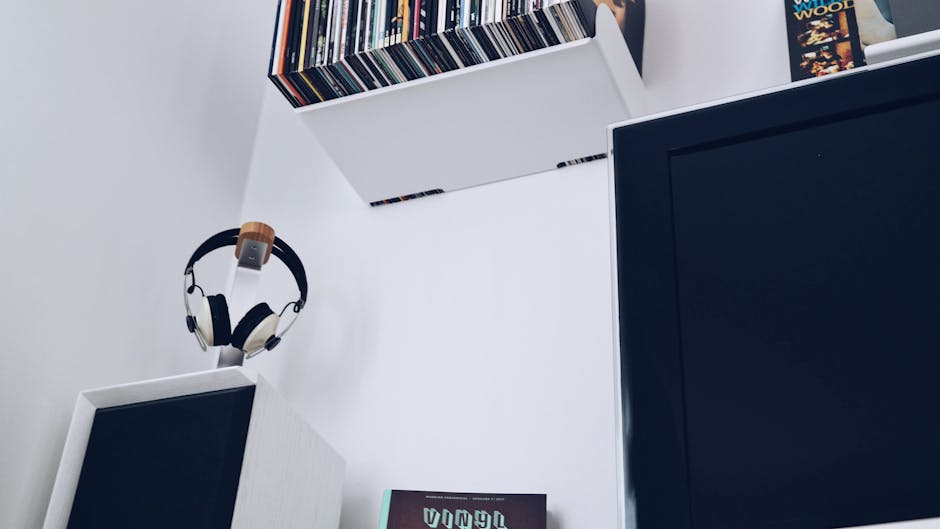
Maximizing Your Gaming Setup Footprint with Monitor Arms and Wall-Mounted Shelves
When floor space is limited, think vertical and off the desk surface. This is where monitor arms and wall-mounted shelves become game-changers.
Monitor Arms
Mounting your monitors on adjustable arms frees up 40-60% of your desk surface. You can reposition your monitors for optimal ergonomics and quickly shift between sitting and standing modes if you have a sit-stand desk. Many arms clamp directly to the desk side or mount through a small grommet hole.
Wall-Mounted Shelves
Wall shelves mounted above your desk are perfect for storing consoles, game controllers, headphones, or organizing your decor without eating up precious desktop space. They’re especially useful in the classic corner gaming station where vertical space tends to be underused.
MRQ’s design studies and DimensionzHub.com’s space-saving product recommendations help you choose the best wall mounts and shelving sizes without crowding your bedroom.
Putting It All Together: Sample Small Bedroom Gaming Setup Dimensions
Here’s a breakdown of how your gaming footprint can shape up in a typical small bedroom measuring roughly 10 by 12 feet (about 3 by 3.6 m):
- Gaming Desk: 48 inches wide by 28 inches deep (122 x 70 cm) to support dual 24-inch or single 27-inch monitor setups comfortably.
- Chair Clearance: 24 inches (60 cm) behind the desk for chair movement.
- Leg Room & Movement: 36-48 inches (90-120 cm) in front of the desk for stretching and repositioning.
- Wall-mounted shelves: 24 inches wide by 8-12 inches deep (60 x 20-30 cm) mounted at eye to chest height.
- Monitor Arm: Adds at least 12-18 inches (30-45 cm) of free desk surface space.
This layout fits neatly into a bedroom corner while maintaining ergonomic recommendations and comfortable movement zones.

Final Thoughts: Measure Twice, Game Once
When setting up your gaming rig in a small bedroom, functionality and comfort must come before trends and future gear fantasies. Always ask yourself: what do you actually use every day? Use tools and data from MRQ, DimensionzHub.com, and trusted ergonomic sources like the Chartered Institute of Ergonomics & Human Factors to ground your choices in real-world measurements.
Remember the importance of desk depth and chair clearance, and don’t underestimate how much easier a monitor arm and wall-mounted shelving can make your life.
With the right measurements and setup, your small bedroom gaming setup or corner gaming station can feel spacious, all while delivering the comfort and immersion you need for serious play.
Happy gaming, and measure smart!